Photoshop Became Canva. After Effects Becomes FlashFX.
The argument for desktop motion design used to be performance. That argument expired and most people have not noticed yet.
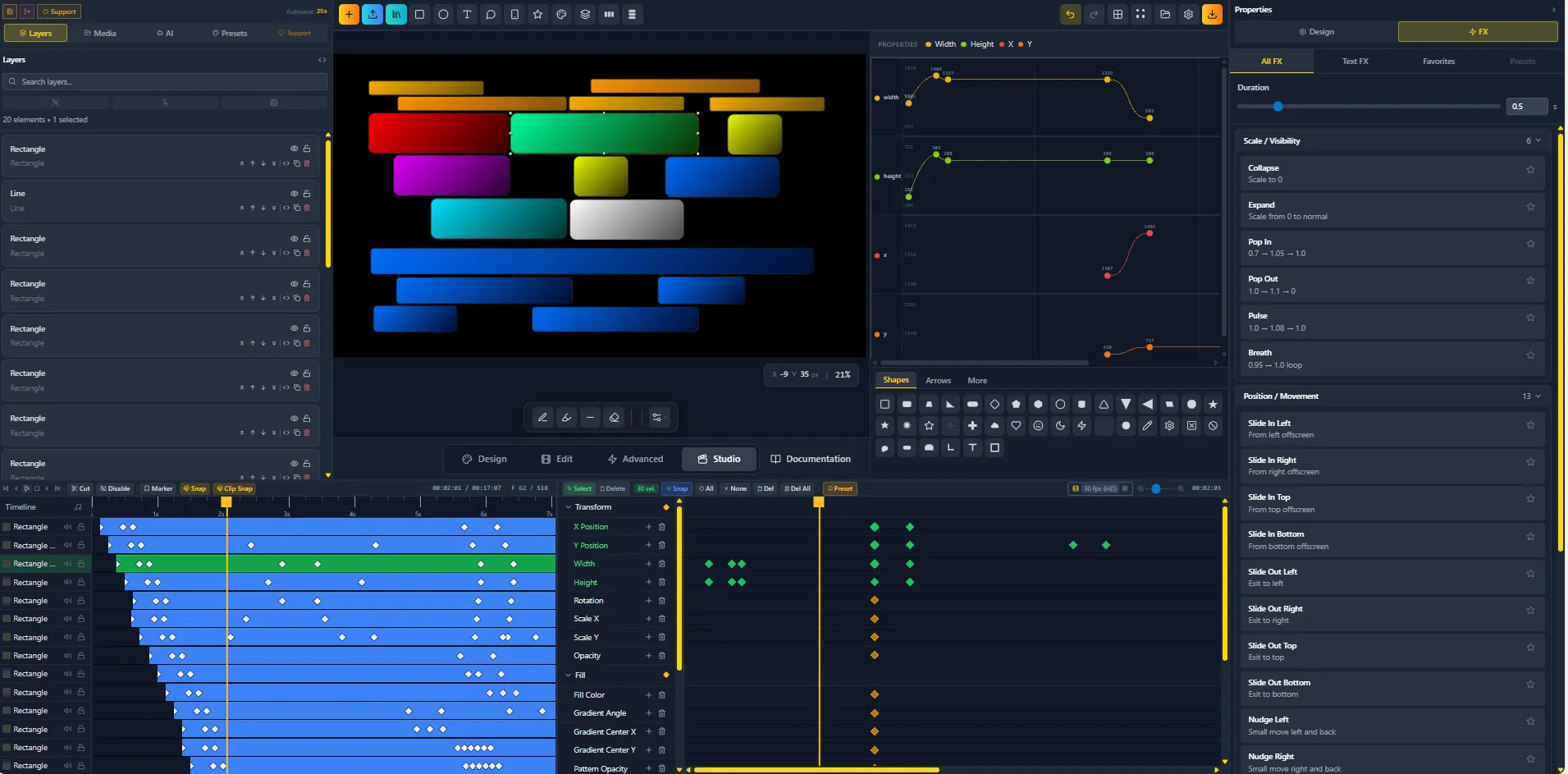
Photoshop became Canva. Premiere became CapCut. Illustrator became Figma, more or less, and nobody argues about it any more.
Motion design did not move. After Effects is still a desktop install, still a subscription, still an interface that takes months before you can make something move the way you meant. It is the last major creative category where the browser version does not exist.
I have spent two years on the assumption that this is a timing problem rather than a category problem.
Why it held out
The honest answer is that motion design was genuinely too heavy. Compositing is expensive, effects stacks are expensive, and for most of the web’s life the browser had no serious access to the GPU. You could not have built this in 2016. People who tried built toys.
So the category kept a real technical justification for staying on the desktop long after the others lost theirs. Photoshop moved when raster editing got cheap enough. Video editing moved when codecs landed. Motion design was waiting on GPU compute and low-level media access, and those arrived quietly and recently.
That justification is now expired. Most people working in the field have not updated on it, because the last time they checked, it was true.
What actually changes
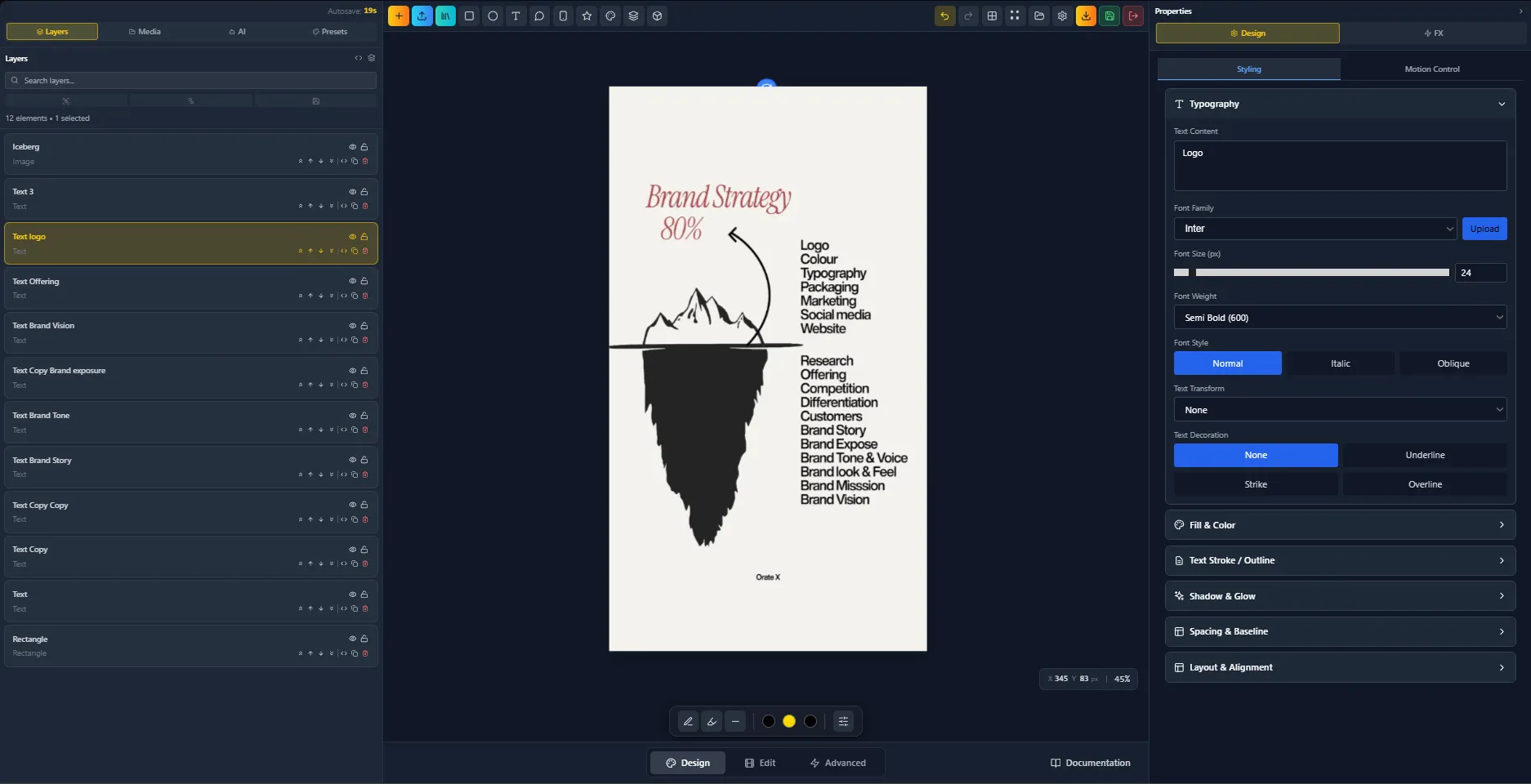
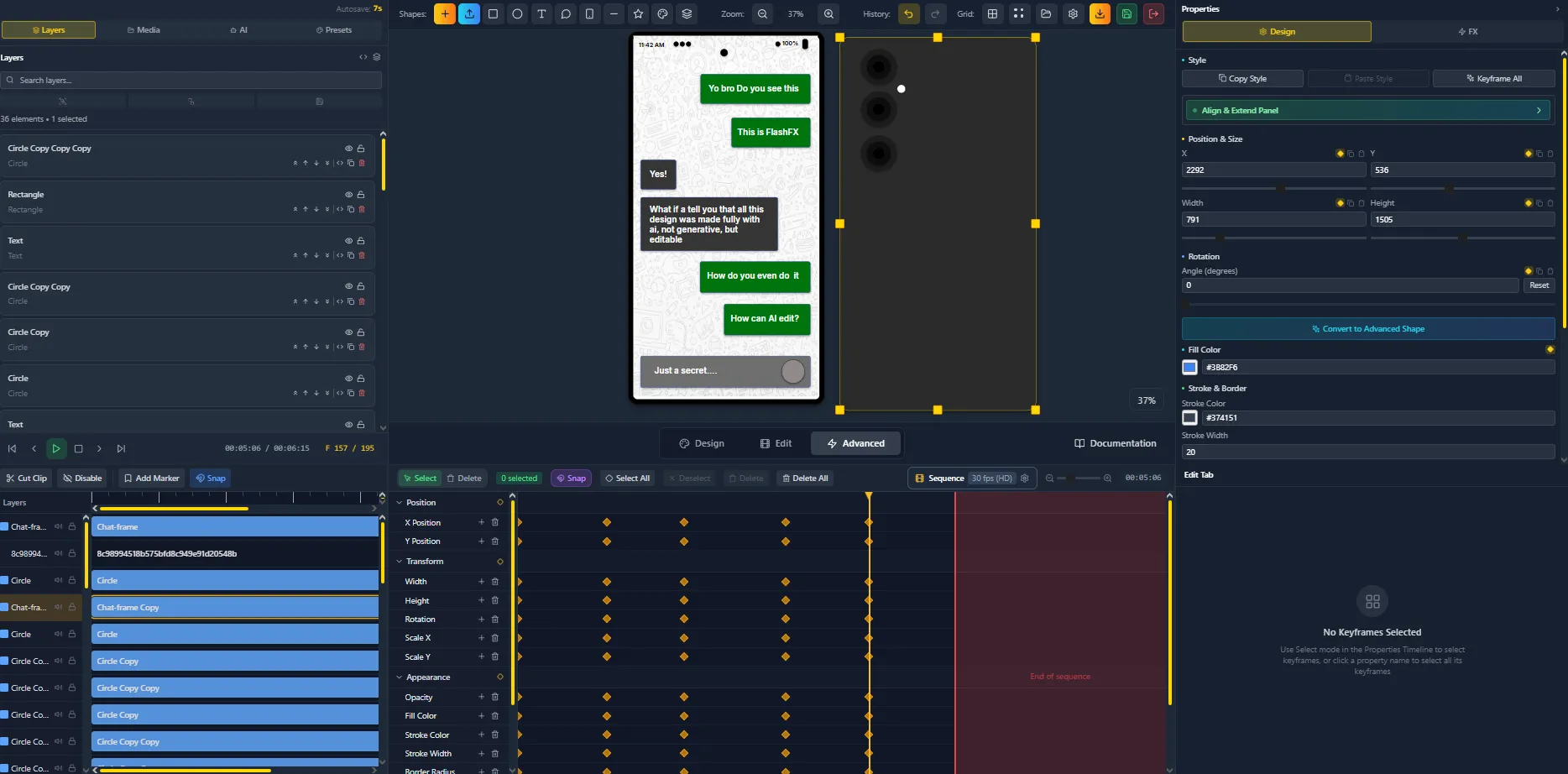
Not the features. That is the mistake I made for a year — assuming the pitch was “same thing, in a browser”. Nobody switches tools for parity.
What changes is who gets to start.
An install is a filter. A licence is a filter. A three-month learning curve is a filter. Each one quietly removes the people who were curious but not yet committed, which is almost everyone who would eventually be good at this. The kid on a school laptop who wants to make a title sequence move does not have €60 a month and cannot install anything.
I know that specifically because I was that person, editing on a machine that could barely handle Shotcut.
The number that convinced me
8,000 people use FlashFX. None of that came from advertising — not one euro. It is entirely organic, which for a tool in a category with an entrenched incumbent is the signal I care about most.
People do not find a browser motion design tool by accident. They go looking, which means the demand was already there and unserved.
What I am not claiming
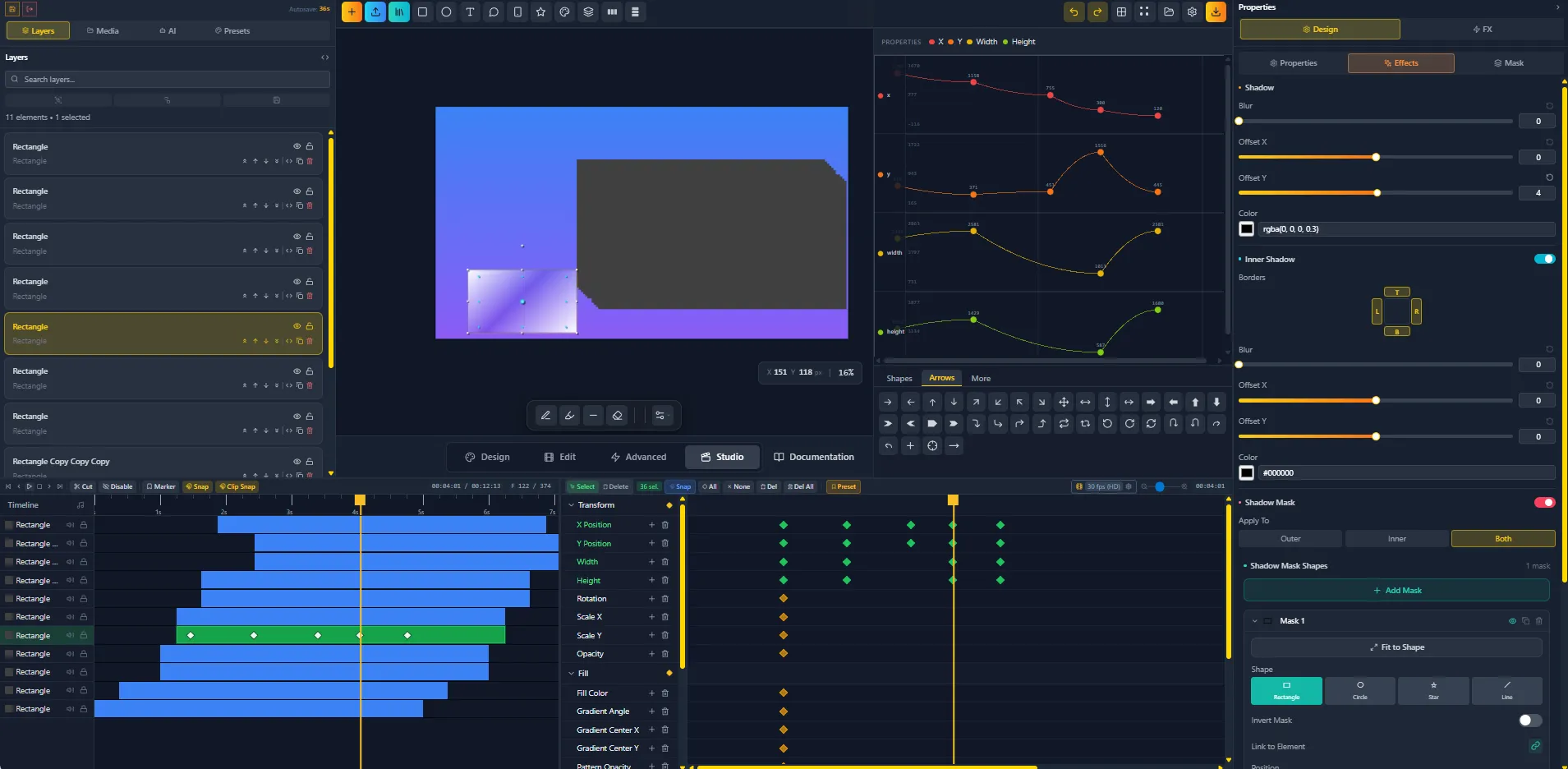
FlashFX is not better than After Effects. It is not close, and anyone telling you their two-year-old browser tool beats a thirty-year-old industry standard is selling something.
The claim is narrower and I think more defensible: the ceiling matters less than the floor. After Effects wins on ceiling and will keep winning on ceiling for a long time. But most motion design that gets made is nowhere near that ceiling, and the people making it are being filtered out by install, price and complexity rather than by capability.
Canva did not beat Photoshop on capability either.
The bet
That professional motion design belongs in the browser, free of installs and licences, in reach of anyone with a laptop.
That is the sentence that survived four complete rebuilds. Everything else about the product changed — twice into a different category — and that did not. It is the only part I have never had reason to revise.
More like this, by email
What I am building, what broke, and what it cost. Written from inside FlashFX, sent when there is something worth saying.
No schedule, no filler. Unsubscribe in one click.