What Four Rebuilds Actually Cost
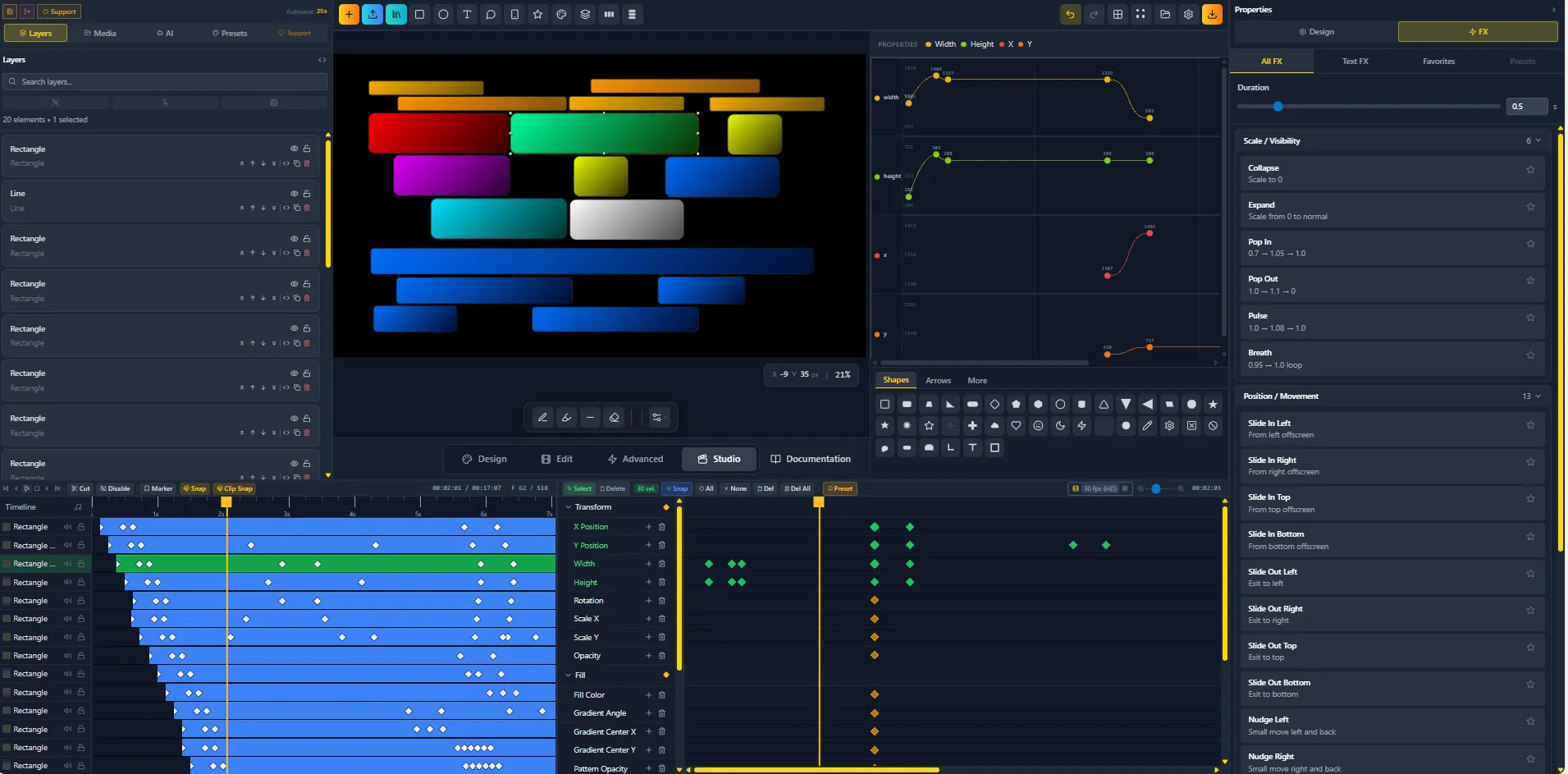
FlashFX exists on the fourth attempt. The first three are the part nobody writes about, so this is that part.
I wrote my first line of code in January 2024. Three weeks later I lost the whole project to a file-path error, and the €200 I had spent on it was borrowed from my younger cousin. That is where this starts, and I think it matters more than the part where it works.
The first one
Vision AI Demo was a browser-based video editor built with an AI assistant and bolt.new, by someone who had never programmed. It ran. For about six weeks it genuinely ran.
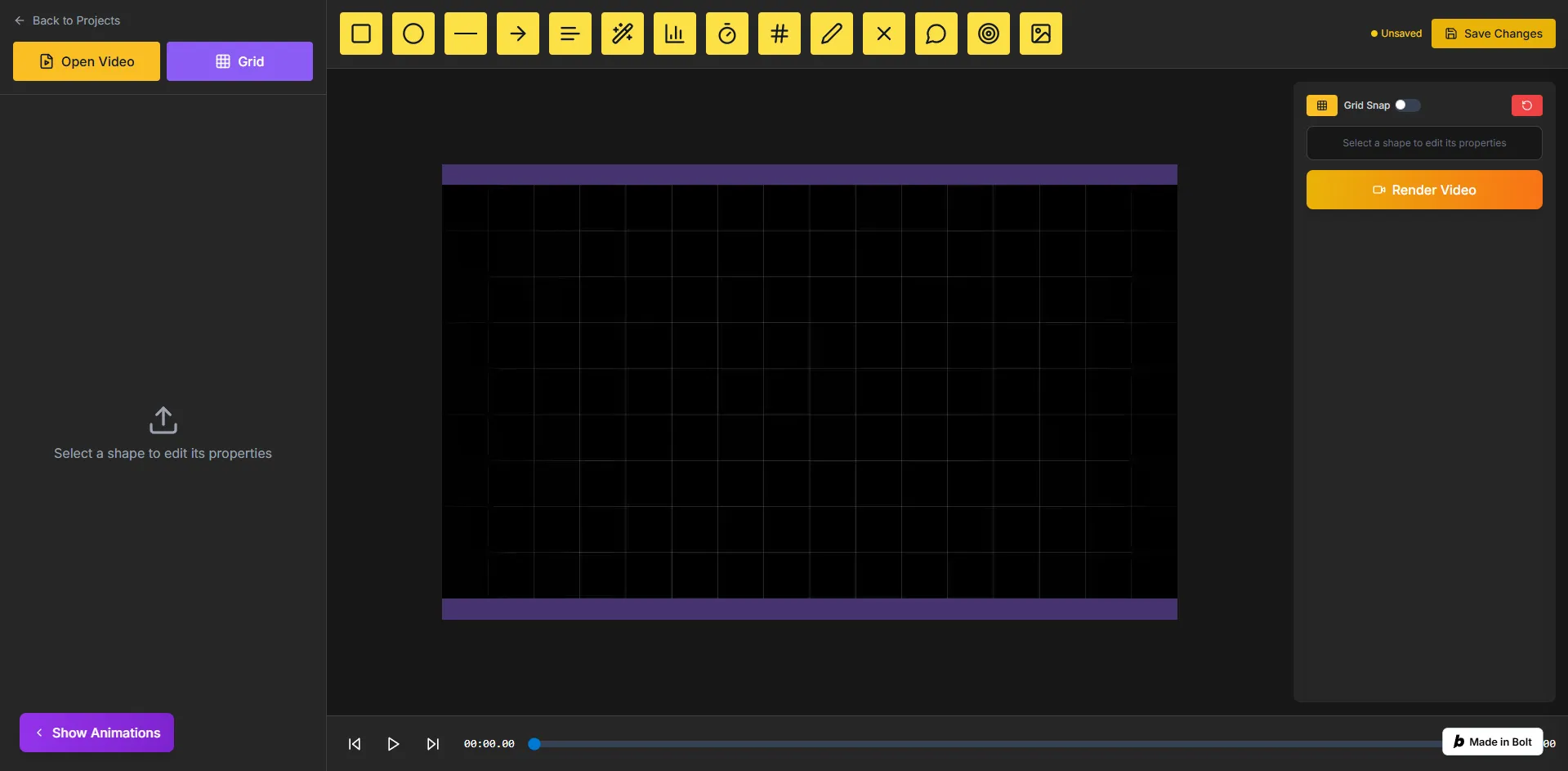
Then I restructured the files, broke every import in the project at once, and had no version control, no backup and no idea what any of those words meant. The codebase was unrecoverable. I want to be precise about this, because it is the only part of the story people tend to soften: it was not a hard problem. I simply did not know the thing that would have saved it.
The pivot nobody saw
Between the crash and anything resembling FlashFX there were five prototypes and none of them shipped. What came out of that stretch was not code. It was the realisation that I had been building in the wrong category — timeline video editing is crowded and solved, and motion design in the browser was not.
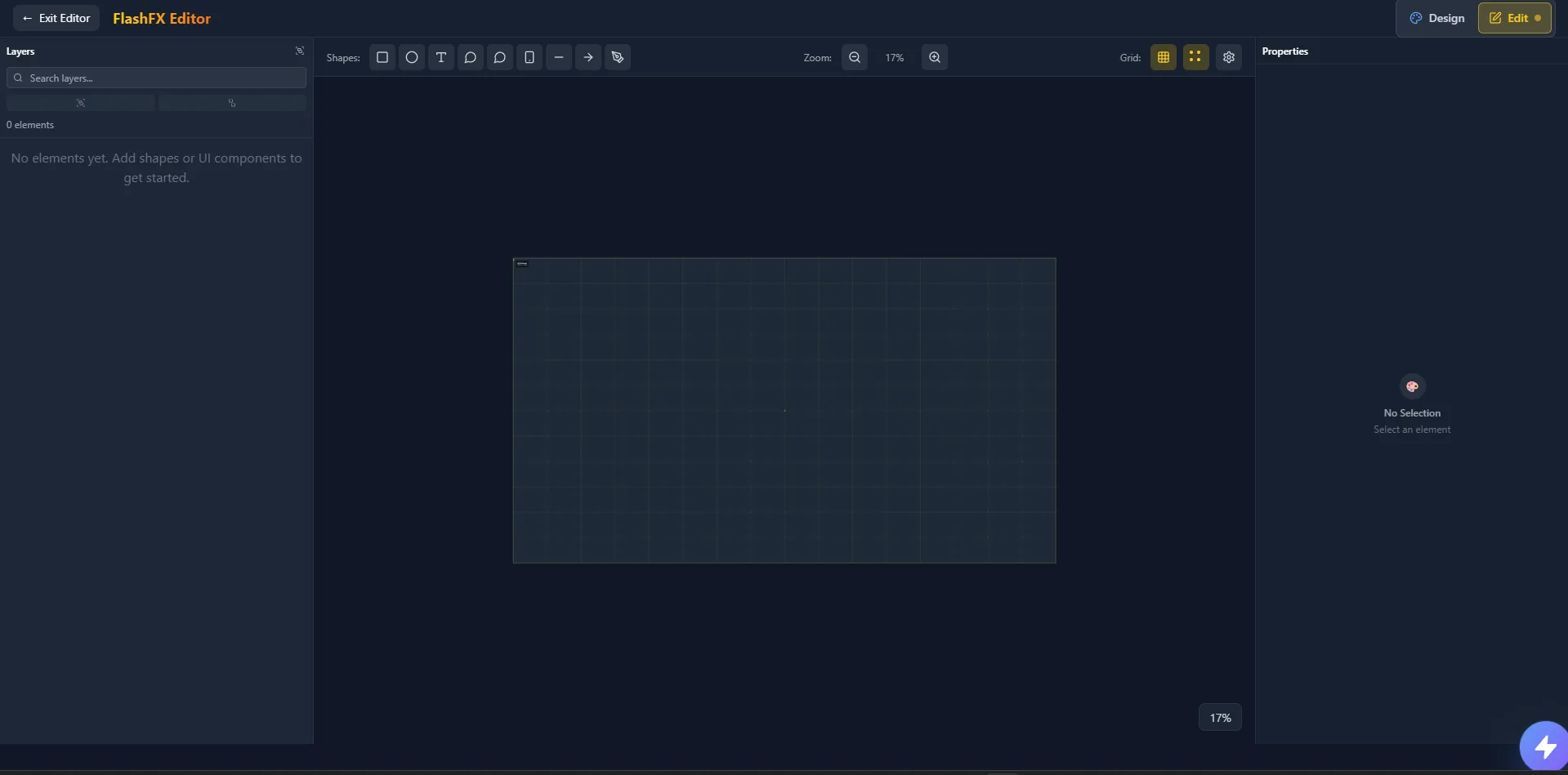
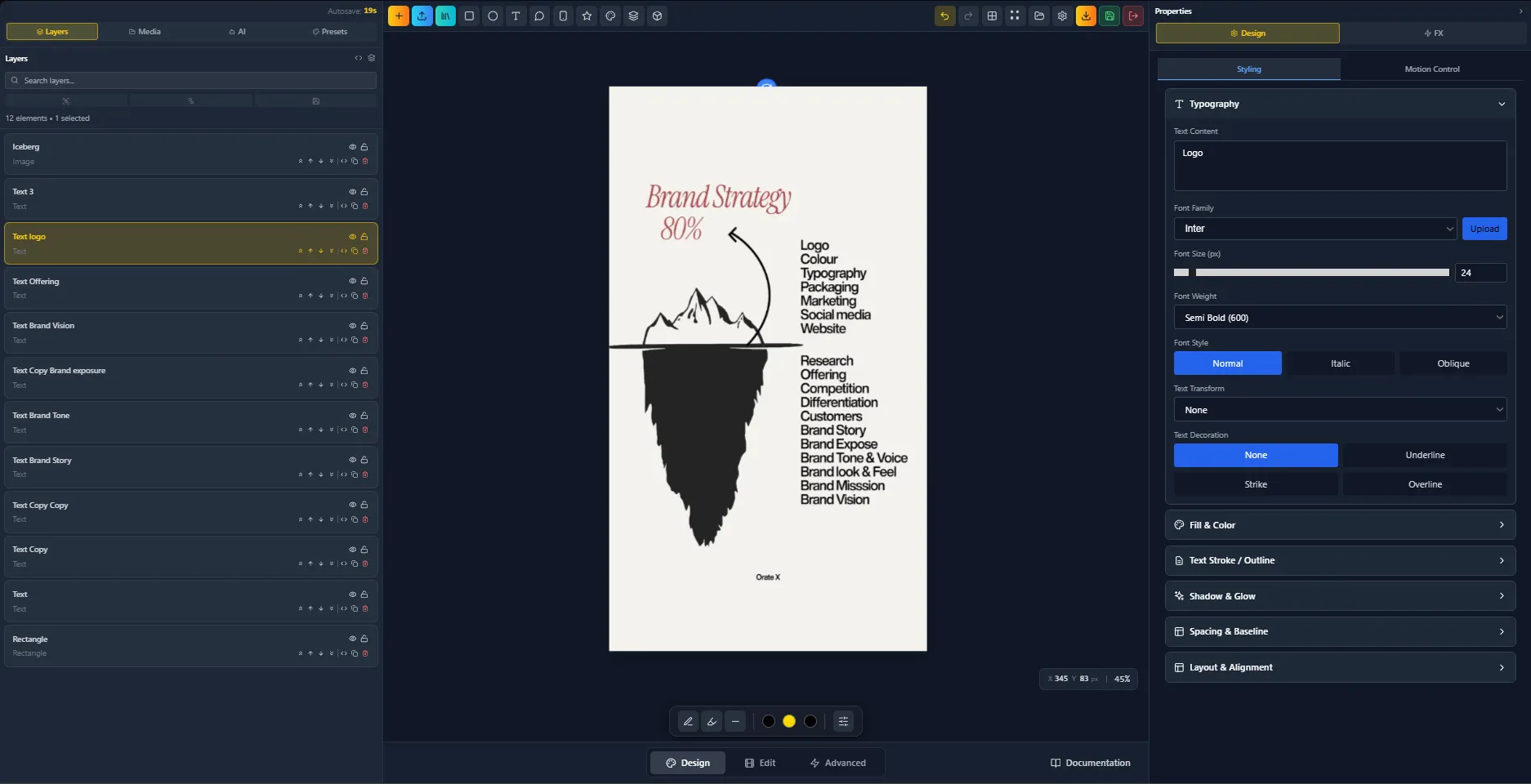
I spent December 2024 to February 2025 doing nothing but studying. JavaScript, then TypeScript, then React, building small useless utilities one after another until the fundamentals stopped sliding off. All of that came before a single line of what became FlashFX.
What the fourth attempt looks like
The thing that took four tries is not the interface. It is the timeline: the data model underneath it, the one that decides whether a keyframe is a value on a track or an object with an opinion about its neighbours. I got that wrong three times.
Everything else follows from it. Keyframe easing, the effects stack, the export pipeline — all of it is downstream of a decision I could not make correctly until I had made it badly three times.
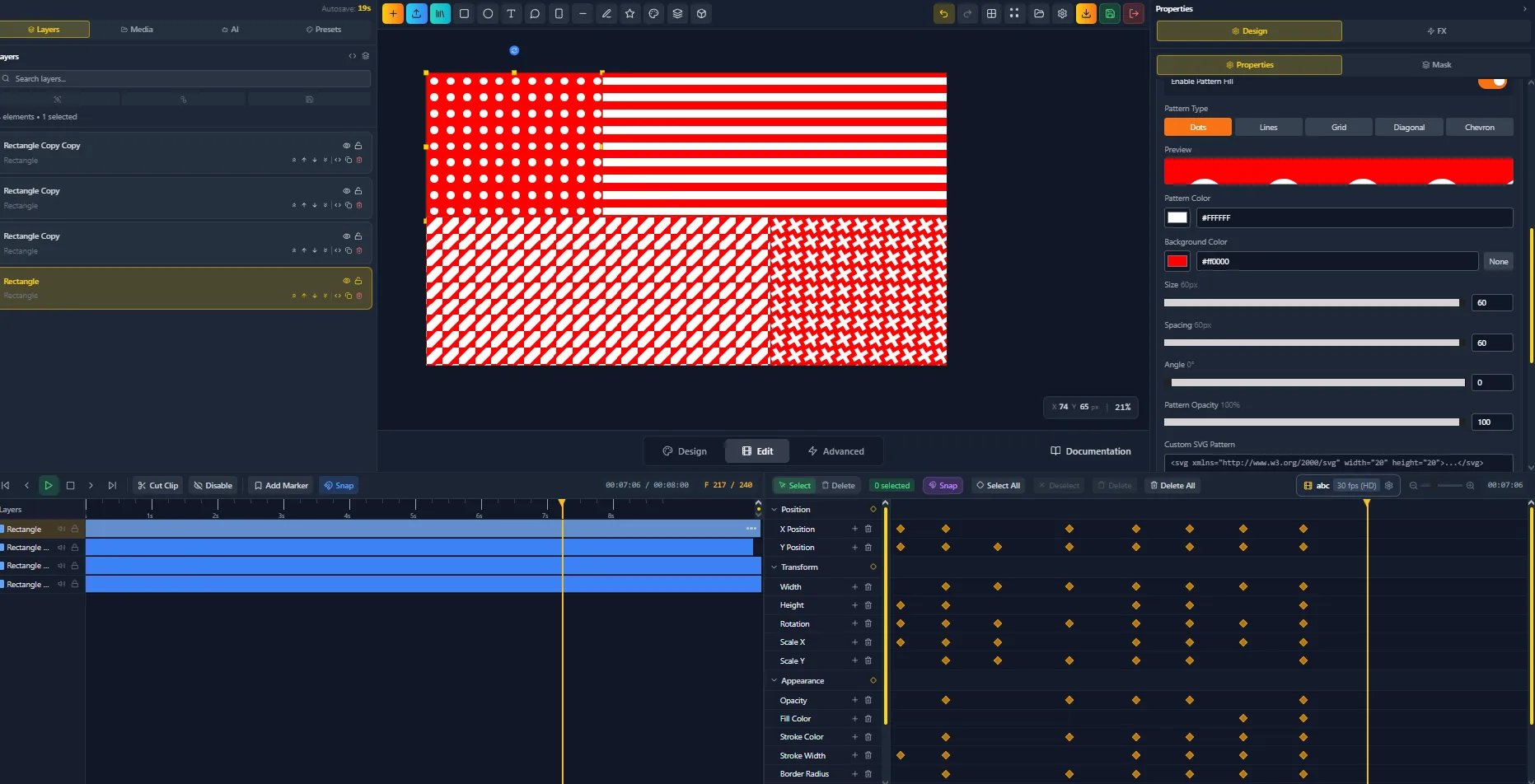
What it actually cost
Two years, roughly 300,000 lines of TypeScript, €400 of borrowed money across two loans, and one hackathon I was certain I would win and did not. Against that: 8,000 people use it, 3,400 are in the Discord, and none of it came from advertising.
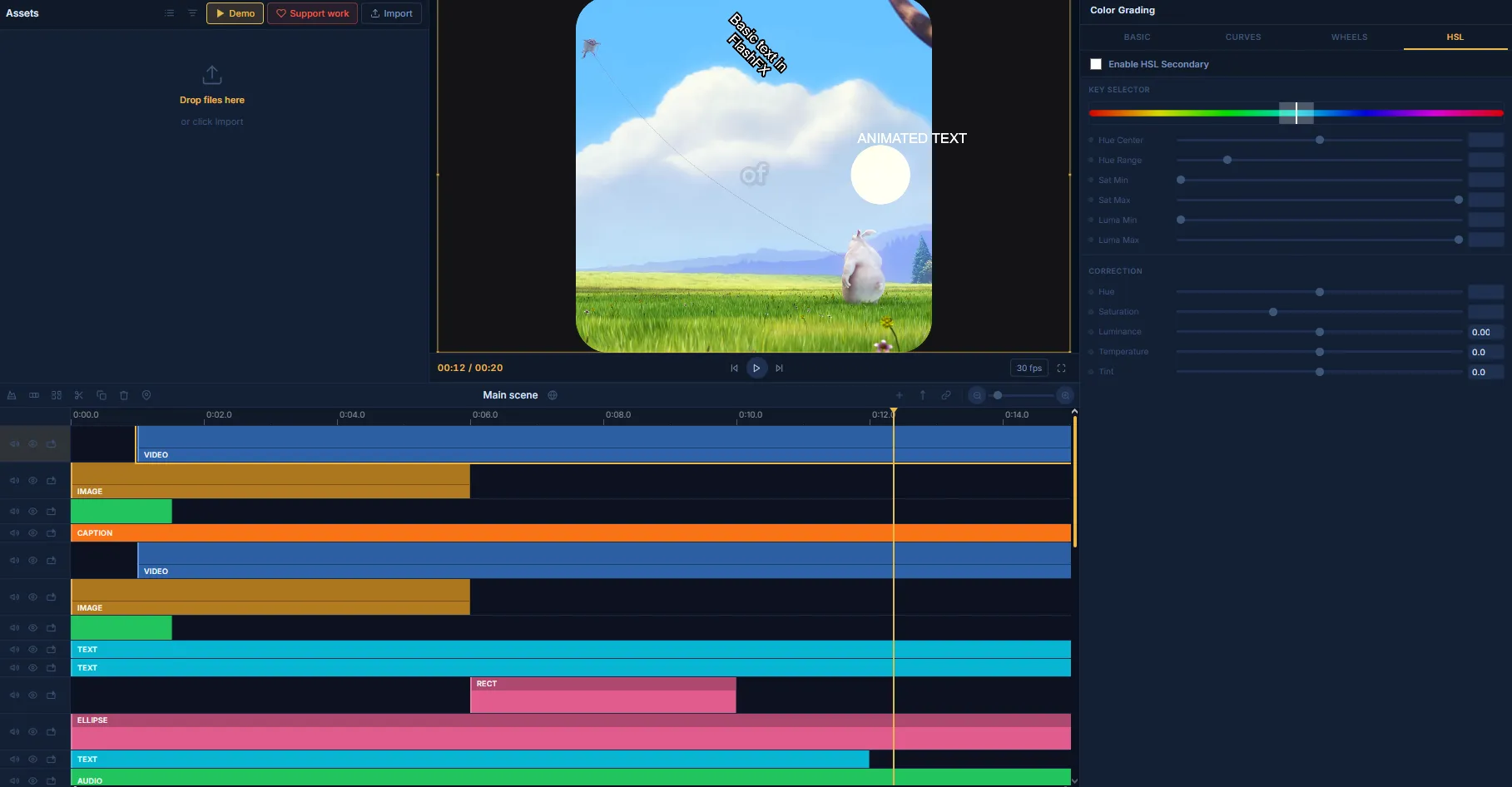
I am not going to pretend the failures were secretly good. Losing Vision AI Demo was just bad, and the debt was real. But the thing I know now that I did not know then is which mistakes are recoverable, and that is only learnable one way.
More soon.
More like this, by email
What I am building, what broke, and what it cost. Written from inside FlashFX, sent when there is something worth saying.
No schedule, no filler. Unsubscribe in one click.